President Trump's demand to make Greenland part of the United States has become a political shock in the Western world. Because this island has been under the rule of Denmark for the past five centuries and Denmark is a close ally of the United States and a founding member of the US-Europe defense alliance NATO. The desire of the US president to seize its territory from an ally has shocked the whole world. This is the first time that a part of an ally is being taken from an ally because its remaining with that ally could pose a threat to the defense of the United States. Trump's logic is beyond comprehension because the island is completely part of Denmark, an ally of the United States and a member of NATO, and in addition, there are still American military bases on Greenland today and the United States has full access to this island under the 1951 defense treaty. Greenland is the largest island in the world, covering an area of two million sixty-six thousand square kilometers.
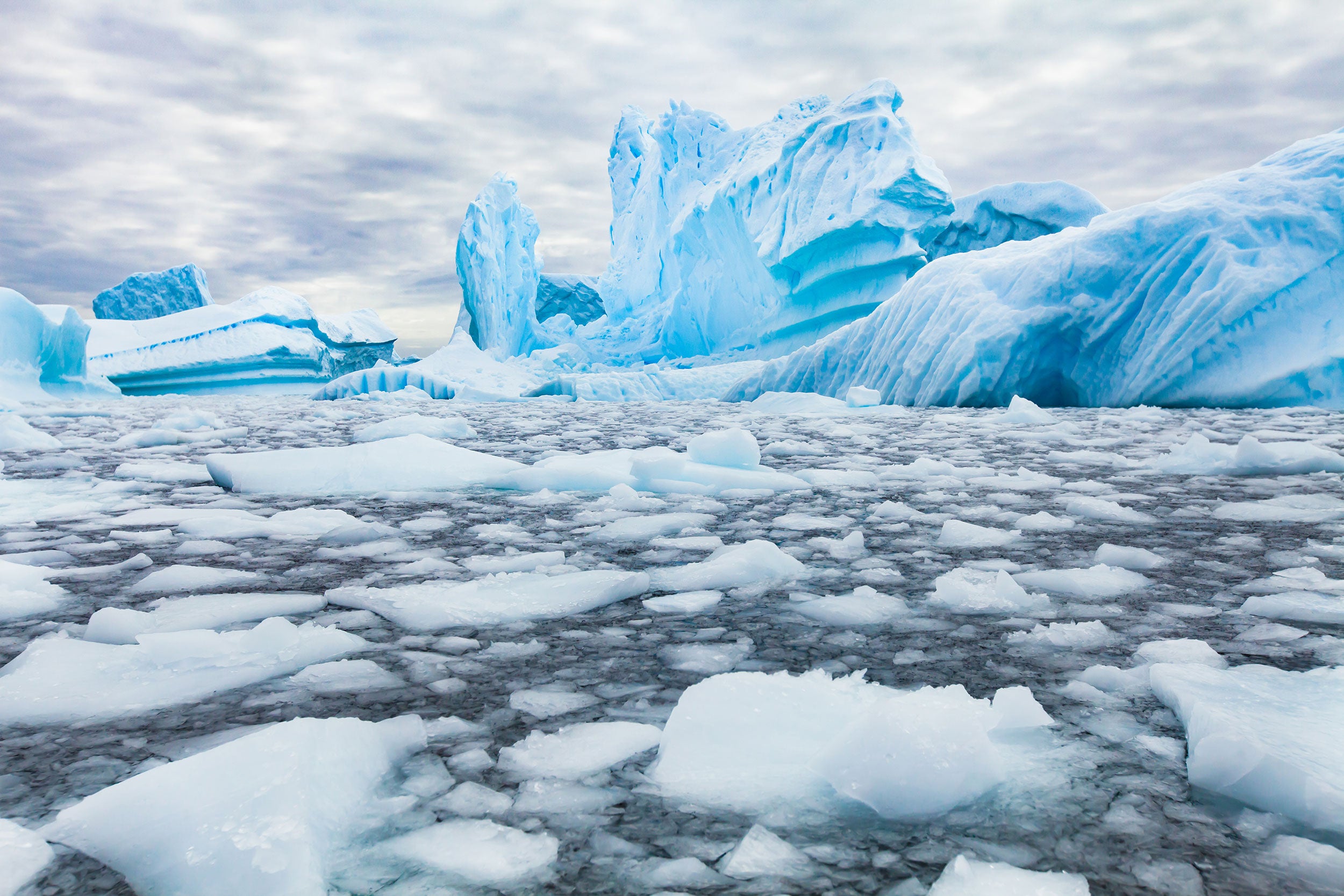
Greenland is located in the North Atlantic Ocean and is largely uninhabited. It has become a strategic asset for major powers around the world. It is particularly important for the future defense industry due to the importance of rare earth elements, as there is evidence of large deposits of these minerals.
The United States is concerned that China's growing economy could give China access to these minerals in Greenland, so the solution to this problem is to annex Greenland to the United States. However, US President Trump's proposal to annex Greenland for defense purposes and the need for rare earth elements is proving to be a blow to its European and NATO allies. All European allies are speaking out against it, and several European heads of state have even hinted at the practical dissolution of the NATO alliance if this US plan goes ahead. Although there are many concerns from Europe and the US is expressing concerns about the transformation of Europe's friendship into competition, and the end of the defense alliance between Europe and the US is being called for, but on the contrary, the Europeans are not capable of any kind of conflict with the US. Because European defense is entirely dependent on American equipment and weapons, for which Europe currently has no alternative.
Perhaps on the basis of this awareness, President Trump is not in the mood to give due consideration to European concerns and fears and he is repeating this desire again and again despite the protests of European leaders, and especially the mention of an issue like Greenland during the press conference after the military operation in Venezuela shows the seriousness and seriousness of his demand by the US President. The concerns and concerns from Europe are justified, but Europe's compulsion is also not hidden from anyone that Europe will not be able to do anything if the US implements this plan. Because the entire defense force of Europe depends on NATO and NATO has no status without America. Therefore, it is assumed that in such a situation, Europe and Denmark will not be able to do anything except regret and join hands. As far as the end of the NATO alliance is concerned, Europe needs this alliance more than the United States, and in the presence of the ongoing war in Ukraine in Europe, the Europeans cannot afford to sacrifice NATO for the sake of Greenland, but rather may be forced to sacrifice Greenland for the sake of NATO.
Therefore, it is expected that behind the scenes efforts will be made to implement President Trump’s desire to make Greenland a part of the United States in such a way that it does not give the impression of disrespect for Denmark and Europe and, while avoiding disgrace and embarrassment, Denmark can also be made to cry. Now all world observers agree that this depends only on the will of President Trump. He alone can save Europe from such embarrassment, otherwise Europe itself is not in any position to do anything. However, Greenland becoming part of the United States in the near future seems certain. It remains to be seen how this will happen. The key to this lies in the hands of President Trump, and he seems serious about making this happen. .....